Biological Response Modifiers - Interferons, Double-Stranded RNA and 2',5'-Oligoadenylates
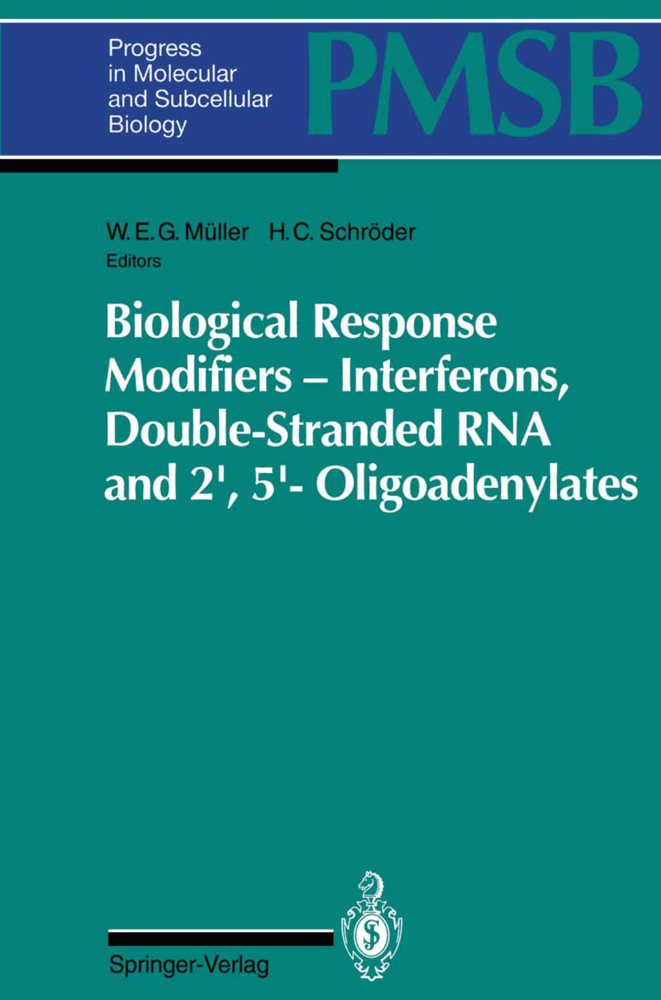
Biological Response Modifiers - Interferons, Double-Stranded RNA and 2',5'-Oligoadenylates
Biological response modifiers are increasingly used in viral and cancer therapy. Since alterations of the immune system are the primary symptoms of HIV infection, especially therapies directed towards the modulation of the immune response have been under intense evaluation. This volume summarizes current knowledge of the interferon-based natural antiviral protection system including 2',5'-oligoadenylate and double-stranded RNA. It will also help to develop further a solid scientific rationale for the practical use of heterologous immunomodulators in the clinics.
2 Mechanism of Activation of the dsRNA-Dependent Kinase
3 Regulation of the dsRNA-Dependent Kinase
4 Biological Significance of the dsRNA-Dependent Kinase
5 Conclusion and Prospective
References
Double-Stranded RNAs as Gene Activators
1 Introduction
2 Double-Stranded RNA as Gene Inducers
3 Interaction of dsRNA with Target Cells
4 dsRNAs as Gene Activators
5 Conclusions
References
Viral-Dependent Phosphorylation of a dsRNA-Dependent Kinase
1 Introduction
2 Plant-Virus Interactions
3 Plant-Protein Phosphorylation
4 Detection of Viral-Induced Phosphorylation
5 Characterization of Viral-Induced Phosphorylation
5.1 Stimulatory Molecules
5.2 Temporal Pattern of Phosphorylation
5.3 In Vivo Phosphorylation of p68
5.4 Characterization of p68 Protein Kinase Activity
5.5 Immunological Similarity with the Human p68
5.6 Peptide Sequencing
5.7 Transgenic Plant Studies
6 Homology with Mammalian Kinases
7 Conclusions and Future Directions
References
Cellular Inhibitors of the Interferon-Induced, dsRNA-Activated Protein Kinase
1 Introduction
2 A Cellular Inhibitor of the P68 Kinase from Influenza Virus-Infected Cells
2.1 Downregulation of the P68 Kinase During Influenza Virus Infection
2.2 Purification and Characterization of a Cellular Inhibitor of the P68 Kinase from Influenza Virus-Infected Cells
2.3 Identification of the 58-kDa Protein and a Specific Anti-Inhibitory Activity in Uninfected MDBK Cells
2.4 Model of P68 Kinase Regulation
3 Degradation of the P68 Kinase by a Cellular Protease During Poliovirus Infection
4 A Cellular Inhibitor That Regulates the P68 Kinase in 3T3-F442 Fibroblasts
5 A Cellular Inhibitor of the P68 Kinase in Oncogenic ras-Transformed BALB Cells
6 A Cellular Inhibitor of the P68 Kinase in Human Amnion FL Cells
7 Conclusions and Future Directions
References
Mechanism of the Antiretroviral Effect of dsRNA
1 Introduction
2 Intracellular Antiviral Defence Mechanisms: 2-5A/RNase L and p68 Kinase Pathways
3 Alterations in the Level of 2-5A
3.1 Cultured Cells
3.2 HIV Patients
4 Activation of the 2-5A System and p68 Kinase by dsRNA
4.1 Activation of 2-5OAS by hnRNA
4.2 Activation of 2-5OAS by the TAR Sequence of HIV-1-LTR
4.3 Activation of p68 Kinase by the TAR Sequence of HIV-1-LTR
5 Modulation of Intracellular Antiviral Mechanisms by dsRNA Analogues
5.1 Poly (I) · Poly (C12U) (Ampligen): Chemistry and Physical Properties
5.2 Modulation of Cytokine Action and Natural Killer Cell Activity
5.3 Anti-HIV Activity
5.4 Activation of 2-5OAS
5.5 Modulation of p68 Kinase Activity
5.6 Inhibition of DNA Topoisomerase I
5.7 Degradation by dsRNase
6 Mechanism of the Antiviral Effect
6.1 Binding to Cell Surface Receptors
6.2 Binding to 2-5OAS and p68 Kinase
6.3 Activation of 2-5OAS
7 Antiproliferative Activity of dsRNA
8 Mechanism of the Antiproliferative Effect of Poly (I) · Poly (C12U)
9 Clinical Experience
9.1 AIDS
9.2 Chronic Fatigue Syndrome
9.3 Cancer
10 Drug-Resistant HIV
11 Combination with Other Anti-HIV Compounds
11.1 AZT
11.2 dsRNA Intercalating Agents
12 Perspectives
References
The Antiviral Activity of RNA-Dye Combinations
1 Introduction
2 The Structure of Double-Stranded RNA
3 Structural Consequences of Intercalation
4 Antiviral Activity of Intercalative Dyes
5 Antiviral Activity of Anthraquinones
6 Antiviral Activity of Xanthenes
7 Toxicity of Dye/RNA Combinations
8 Dye/RNA Combinations and HIV-1
9Interferon Induction and Direct Viral Inactivation of Dye/RNA Combinations
10 Subcellular Localization of Dyes and Dye/RNA Combinations
11 Dye-Induced Condensation of RNA
12 Biological Consequences of Dye/RNA Combinations
13 Summary
References
Chemical Synthesis of 2?5?-Oligoadenylate Analogues
1 Introduction
2 Biochemical Mechanism of Interferon Activity
3 The 2-5-OligoA System
4 2?,
Activation of the dsRNA-Dependent Kinase
1 Introduction2 Mechanism of Activation of the dsRNA-Dependent Kinase
3 Regulation of the dsRNA-Dependent Kinase
4 Biological Significance of the dsRNA-Dependent Kinase
5 Conclusion and Prospective
References
Double-Stranded RNAs as Gene Activators
1 Introduction
2 Double-Stranded RNA as Gene Inducers
3 Interaction of dsRNA with Target Cells
4 dsRNAs as Gene Activators
5 Conclusions
References
Viral-Dependent Phosphorylation of a dsRNA-Dependent Kinase
1 Introduction
2 Plant-Virus Interactions
3 Plant-Protein Phosphorylation
4 Detection of Viral-Induced Phosphorylation
5 Characterization of Viral-Induced Phosphorylation
5.1 Stimulatory Molecules
5.2 Temporal Pattern of Phosphorylation
5.3 In Vivo Phosphorylation of p68
5.4 Characterization of p68 Protein Kinase Activity
5.5 Immunological Similarity with the Human p68
5.6 Peptide Sequencing
5.7 Transgenic Plant Studies
6 Homology with Mammalian Kinases
7 Conclusions and Future Directions
References
Cellular Inhibitors of the Interferon-Induced, dsRNA-Activated Protein Kinase
1 Introduction
2 A Cellular Inhibitor of the P68 Kinase from Influenza Virus-Infected Cells
2.1 Downregulation of the P68 Kinase During Influenza Virus Infection
2.2 Purification and Characterization of a Cellular Inhibitor of the P68 Kinase from Influenza Virus-Infected Cells
2.3 Identification of the 58-kDa Protein and a Specific Anti-Inhibitory Activity in Uninfected MDBK Cells
2.4 Model of P68 Kinase Regulation
3 Degradation of the P68 Kinase by a Cellular Protease During Poliovirus Infection
4 A Cellular Inhibitor That Regulates the P68 Kinase in 3T3-F442 Fibroblasts
5 A Cellular Inhibitor of the P68 Kinase in Oncogenic ras-Transformed BALB Cells
6 A Cellular Inhibitor of the P68 Kinase in Human Amnion FL Cells
7 Conclusions and Future Directions
References
Mechanism of the Antiretroviral Effect of dsRNA
1 Introduction
2 Intracellular Antiviral Defence Mechanisms: 2-5A/RNase L and p68 Kinase Pathways
3 Alterations in the Level of 2-5A
3.1 Cultured Cells
3.2 HIV Patients
4 Activation of the 2-5A System and p68 Kinase by dsRNA
4.1 Activation of 2-5OAS by hnRNA
4.2 Activation of 2-5OAS by the TAR Sequence of HIV-1-LTR
4.3 Activation of p68 Kinase by the TAR Sequence of HIV-1-LTR
5 Modulation of Intracellular Antiviral Mechanisms by dsRNA Analogues
5.1 Poly (I) · Poly (C12U) (Ampligen): Chemistry and Physical Properties
5.2 Modulation of Cytokine Action and Natural Killer Cell Activity
5.3 Anti-HIV Activity
5.4 Activation of 2-5OAS
5.5 Modulation of p68 Kinase Activity
5.6 Inhibition of DNA Topoisomerase I
5.7 Degradation by dsRNase
6 Mechanism of the Antiviral Effect
6.1 Binding to Cell Surface Receptors
6.2 Binding to 2-5OAS and p68 Kinase
6.3 Activation of 2-5OAS
7 Antiproliferative Activity of dsRNA
8 Mechanism of the Antiproliferative Effect of Poly (I) · Poly (C12U)
9 Clinical Experience
9.1 AIDS
9.2 Chronic Fatigue Syndrome
9.3 Cancer
10 Drug-Resistant HIV
11 Combination with Other Anti-HIV Compounds
11.1 AZT
11.2 dsRNA Intercalating Agents
12 Perspectives
References
The Antiviral Activity of RNA-Dye Combinations
1 Introduction
2 The Structure of Double-Stranded RNA
3 Structural Consequences of Intercalation
4 Antiviral Activity of Intercalative Dyes
5 Antiviral Activity of Anthraquinones
6 Antiviral Activity of Xanthenes
7 Toxicity of Dye/RNA Combinations
8 Dye/RNA Combinations and HIV-1
9Interferon Induction and Direct Viral Inactivation of Dye/RNA Combinations
10 Subcellular Localization of Dyes and Dye/RNA Combinations
11 Dye-Induced Condensation of RNA
12 Biological Consequences of Dye/RNA Combinations
13 Summary
References
Chemical Synthesis of 2?5?-Oligoadenylate Analogues
1 Introduction
2 Biochemical Mechanism of Interferon Activity
3 The 2-5-OligoA System
4 2?,
Anmelden
Müller, W. E. G.
Schröder, H. C.
| ISBN | 978-3-642-78551-1 |
|---|---|
| Medientyp | Buch |
| Copyrightjahr | 2012 |
| Verlag | Springer, Berlin |
| Umfang | XV, 275 Seiten |
| Abbildungen | XV, 275 p. |
| Sprache | Englisch |